
Dental Implants and Gum Health: What Murphy Patients Need to Know
When you think about dental implants, you probably picture the finished result: a complete smile, more comfortable chewing, and a replacement tooth that feels secure. Your gums may not be the first thing that comes to mind, but they deserve just as much attention.
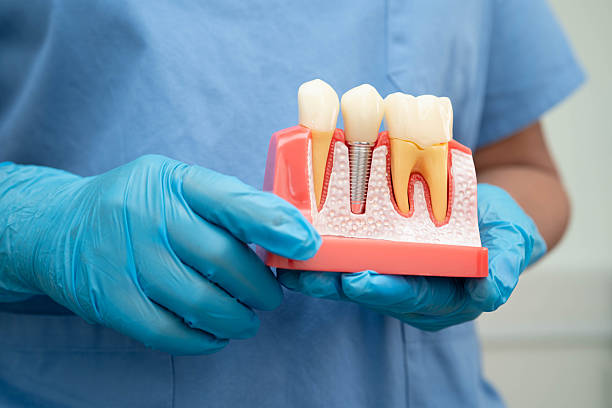
Healthy gums are an important part of the foundation for your smile. The jawbone anchors a dental implant, while the surrounding gum tissue helps protect the area where the implant passes into your mouth. Both need to remain healthy to support your replacement tooth over time.
At Murphy Dental & Implant Center, we want patients to understand that replacing a missing tooth and caring for the tissues around it go together. Whether you’re considering implants or already have them, knowing how gum health affects your treatment can help you make informed decisions and build a manageable care routine.
Why Gum Health Is Critical for Implant Success
A dental implant is placed in the jawbone to support a crown, bridge, or another replacement tooth. Although that replacement tooth cannot develop a cavity, the living tissues around it can still develop disease.
Bacterial plaque can collect around implant restorations, including near and below the gumline. When that buildup causes inflammation, the problem may affect the gums alone or extend to the bone supporting the implant. That is why a replacement tooth still needs consistent care, even though it is made from artificial materials.
The Foundation Includes More Than What You Can See
The visible part of your new tooth is only one piece of the picture. Underneath it, the implant depends on its connection with the jawbone. Around it, the gum tissue needs to stay healthy and accessible for cleaning.
Think of caring for your implant as caring for an entire area rather than simply brushing the crown. A replacement tooth may look clean from the front while plaque remains along its edges or between it and a neighboring tooth.
This is also why appearance alone cannot tell you whether an implant is healthy. Professional evaluations include checking the surrounding tissues and monitoring the supporting bone when appropriate.
Early Attention Can Make a Difference
Inflammation around an implant does not always mean the implant will be lost. When inflammation is limited to the soft tissue, it may be reversible with appropriate treatment and improved plaque control.
Once the disease involves supporting bone, treatment becomes more involved. Catching changes early gives your dental team an opportunity to address them before more damage occurs.
For patients in Murphy, the practical takeaway is simple: keep your maintenance appointments even when your implant feels comfortable. Those visits help assess areas you cannot evaluate in the bathroom mirror.
Gum Disease and Implant Placement
If you have gum disease, you may wonder whether dental implants are still an option. A history of gum disease does not automatically rule out implant treatment, but active disease needs to be treated and brought under control before placement.
Periodontitis, the form of gum disease that damages the tissues and bone supporting natural teeth, increases the risk of implant complications. Starting with a healthier mouth helps create more favorable conditions for treatment.
Start with an Evaluation of Your Gums and Bone
An implant consultation involves more than looking at the space left by a missing tooth. Your dentist also needs to understand the condition of your remaining teeth, gums, and jawbone.
That evaluation may include measuring the spaces around your teeth, checking for inflammation, and reviewing dental imaging. Your health history, medications, tobacco use, and previous periodontal treatment also help guide planning.
Be open about symptoms and past treatment, even if they seem unrelated to the missing tooth. Information about recurring gum bleeding or previous bone loss can affect the steps needed before implant surgery.
Treatment Comes Before Placement
The treatment needed depends on the severity and location of the disease. Some patients need professional periodontal cleaning and changes to their home care. Others need more involved treatment or evaluation by a periodontist.
Your dentist will then reassess the tissues to determine whether the disease is controlled and whether additional preparation is necessary. If bone has been lost, the amount and location of the remaining bone can affect implant planning.
It can be disappointing to learn that you need another step before replacing a tooth. But treating the foundation first is part of planning for a replacement you can maintain over time.
A History of Gum Disease Still Matters After Treatment
Even after periodontal disease is controlled, ongoing maintenance remains important. Replacing a tooth that was lost to gum disease does not remove your susceptibility to inflammation around other teeth or implants.
Patients with a history of periodontitis need careful monitoring and consistent home care. Keeping the remaining natural teeth healthy is part of protecting the implant, too.
At Murphy Dental & Implant Center, the goal is to help you understand the full sequence of care, including any preparation needed before placement and the maintenance that follows.
Maintaining Gum Health After Implants
Once your implant restoration is in place, caring for it should become a familiar part of your daily routine. The exact approach depends on whether you have a single crown, a bridge, or an implant-supported denture.
You do not need to figure out that routine through trial and error. Ask your dental team to demonstrate how to reach the gumline, clean between teeth, and access any spaces beneath your restoration.
Brush Carefully Along the Gumline
Brush at least twice a day for about two minutes, using a toothbrush and technique recommended by your dental team. Give attention to the gumline and all accessible surfaces rather than focusing only on the front of your teeth.
Gentle, thorough cleaning is the goal. Pressing harder does not necessarily clean better, and it can make an already tender area uncomfortable.
If you have recently had implant surgery, follow your postoperative instructions before beginning a normal cleaning routine around the surgical site. Care during healing may differ from care around a fully healed restoration.
Clean the Spaces Your Toothbrush Cannot Reach
Daily cleaning between teeth and around implant restorations helps address areas brushing misses. Depending on your restoration and the available space, your dental team may recommend floss, a floss threader, appropriately sized interdental brushes, or a water flosser.
The best choice is one that fits your restoration and that you can use correctly and consistently. A single implant crown may need a different approach from a bridge with several connected replacement teeth.
Ask for a demonstration, then try the technique yourself while your hygienist watches. That gives you a chance to check whether you are reaching the right area and using the tool comfortably. Personalized instruction is an important part of implant maintenance.
Keep Professional Maintenance Appointments
Home care and professional care serve different purposes. Your daily routine helps limit plaque buildup; maintenance visits also allow your dental team to evaluate tissue health and changes over time.
Your clinician may check for bleeding, measure around the implants, assess the restoration, and obtain imaging when indicated. Cleaning methods and appointment frequency should reflect your individual needs.
Some patients need more frequent visits, particularly after treatment for peri-implant disease or when their risk factors warrant closer monitoring.
Speak Up About Changes
Contact your dental team if you notice recurring bleeding, swelling, tenderness, drainage, or a change in how your restoration feels. These symptoms need evaluation rather than an assumption that brushing harder will fix them.
You also do not need to wait for pain before asking about your gums. If something looks or feels different, mention it. Your observations help your dentist understand what has changed between appointments.
FAQs About Gum Health and Implants
Can Implants Get Gum Disease?
Yes. Although an implant is artificial, the surrounding gums and supporting bone are living tissues that can develop inflammatory disease.
There are two main conditions:
- Peri-implant mucositis: Inflammation affecting the soft tissue around an implant, without the progressive supporting bone loss associated with peri-implantitis. It can often be treated successfully when identified early.
- Peri-implantitis: Inflammation around an implant accompanied by loss of supporting bone. It requires professional treatment and may need surgery, depending on the circumstances.
These conditions are related to bacterial plaque buildup. Having an implant does not eliminate the need to clean the gumline or attend regular maintenance visits.
How Do I Clean Around Implants?
Begin with twice-daily brushing and daily cleaning between teeth and around the restoration. Then tailor the tools to your particular replacement teeth.
Floss may work well in some spaces, while interdental brushes can be useful where there is room for them. A bridge may require a threader or another tool to reach underneath connected teeth. Your dental team may also recommend a water flosser as part of your routine.
Avoid forcing a tool into a tight space. Ask your hygienist to show you the right size, angle, and movement for each area. A routine that you understand and can repeat comfortably is more useful than a collection of tools you are unsure how to use.
Do Implants Need Special Cleanings?
Sometimes. Implant maintenance includes professional cleaning, but the instruments, techniques, and schedule may differ from those used for your natural teeth.
Your clinician selects methods suited to the implant surfaces, restoration, and tissue condition. If inflammation is present, you may need additional treatment rather than a routine cleaning alone.
More advanced peri-implant disease can require treatment to clean affected areas and address damage around the implant. The appropriate approach depends on the findings, so an examination comes before choosing a treatment.
Implant Gum Care in Murphy
Healthy gums deserve attention before an implant is placed and throughout the years that follow. Treating active disease, learning how to clean your restoration, and keeping a maintenance schedule all contribute to caring for your new smile.
If you’re considering dental implants in Murphy, bring your gum health questions to your consultation. If you already have implants, it is never too late to ask whether your daily routine is reaching every area it should.
Schedule a visit with Murphy Dental & Implant Center to discuss implant treatment or ongoing care. We’ll evaluate your oral health, explain what needs attention, and help you understand the next steps for keeping your smile’s foundation healthy.


