
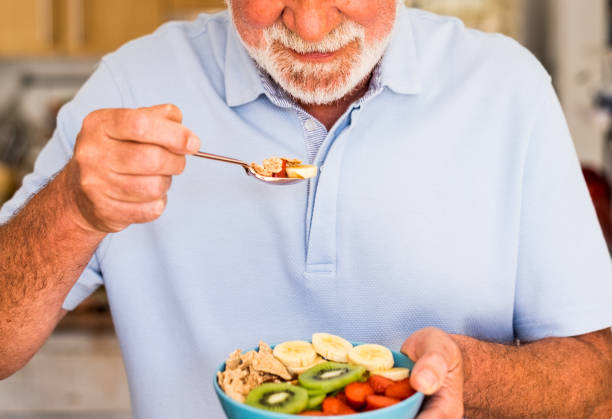
Eating with Dental Implants in Murphy: What Changes and What Doesn’t
When you’re considering dental implants, it’s natural to think beyond the procedure itself. Will you be able to bite into a sandwich comfortably? Order your favorite meal? Enjoy dinner with friends without worrying about your teeth?
Those everyday moments matter. Missing teeth can change how you chew, which foods you choose, and even how relaxed you feel at the table. Replacing them should help you feel more comfortable with those parts of your life.
At Murphy Dental & Implant Center, we want you to understand both the possibilities and the process. Dental implants can provide stable support for replacement teeth, but getting back to your usual meals takes healing, a gradual transition, and a few sensible habits.
Here’s what changes immediately after surgery, what eating can look like long term, and how to protect your new smile.
What to Eat Right After Implant Surgery
Immediately after implant surgery, the goal is to nourish your body while protecting the treatment area. This is the time to choose foods that require little or no chewing and follow the instructions provided for your procedure.
The length of this stage varies. Having one implant placed is different from having several implants, extractions, or bone grafting. Your temporary restoration can also affect where and how you should chew. A soft-food diet helps limit stress on the surgical site while healing begins.
Choose Soft Foods That Make a Satisfying Meal
A little planning can make recovery meals much easier. Stock your kitchen ahead of time so you aren’t trying to find something suitable when you’re tired or sore.
Depending on your postoperative instructions, options may include:
- Smooth yogurt or cottage cheese.
- Applesauce, mashed bananas, or other smooth fruit purées.
- Mashed potatoes or puréed vegetables.
- Smooth soups served at a comfortable temperature.
- Soft scrambled eggs.
- Well-cooked pasta or flaky fish when your dental team approves foods that require some chewing.
Think about nutrition as well as texture. A soft diet can still include protein, fruits, vegetables, and enough calories to keep you satisfied. Yogurt, eggs, and other soft protein sources can help you put together more balanced meals than relying on pudding or ice cream alone.
Keep Water Within Reach
Drink water regularly unless you have been instructed to limit fluids for another health reason. Having a glass nearby can make it easier to stay hydrated when your normal routine is disrupted.
Let hot foods and drinks cool before having them, and follow your instructions about straws, alcohol, and other postoperative restrictions. If your mouth is still numb, wait until it is safe to eat so you don’t accidentally bite your lip or cheek.
Take small bites and eat slowly. If you have been told to chew away from the surgical area, continue doing so even when the area begins to feel more comfortable.
Let Healing Set the Pace
Feeling better is encouraging, but it does not necessarily mean your implant is ready for normal chewing forces. The gum tissue can become more comfortable while the implant is still bonding with the bone.
That bonding process, called osseointegration, develops over time. Keep your follow-up appointments and wait for clearance before advancing your diet or chewing directly on a new implant restoration. A temporary tooth also does not automatically mean you can eat whatever you like.
If you’re unsure whether a food fits your recovery plan, ask. A quick question is much easier than trying to guess whether something is soft enough.
Long-Term Eating with Dental Implants
Once healing is complete and your final restoration is ready for normal use, dental implants can make eating feel much more familiar. For many people, that means returning to a varied diet and spending less time thinking about a missing tooth during meals.
An implant replaces the support normally provided by a tooth root. It sits in the jawbone and supports a crown, bridge, or another type of replacement tooth. That foundation helps provide stability when you bite and chew.
A More Comfortable Return to Everyday Foods
If you have been avoiding certain meals because of a gap or an unstable replacement tooth, restoring support can make a meaningful difference. The goal is to help you chew comfortably and confidently, whether you’re having lunch at home or meeting friends for dinner in Murphy.
Returning to your usual diet may still take a little practice. Start with manageable bites, chew slowly, and introduce firmer textures as directed. You don’t need to begin with the toughest food on the menu to find out whether your new teeth work.
Your experience also depends on the restoration. A single implant crown, a fixed implant bridge, and an implant-retained removable denture do not function identically. Your dentist can explain what to expect from your particular replacement teeth.
Similar Function, Different Sensation
Dental implants are designed to restore useful chewing function, but they do not have the same anatomy as natural teeth.
A natural tooth has a periodontal ligament around its root. This ligament helps you sense biting pressure. An implant does not have that ligament, so the feedback you receive while chewing can be different. You can still perceive contact and pressure through other tissues and sensory pathways, but the sensation is not an exact match.
That difference is a reason to develop comfortable chewing habits and have your bite checked regularly. You should not have to keep adjusting how you close your mouth to avoid one spot.
Daily Care Still Matters
Replacement teeth need ongoing attention. Even though an implant crown cannot develop a cavity, the surrounding tissues can develop inflammation, and the restoration needs maintenance.
Brush, clean around your implants using the tools recommended for your restoration, and keep your professional maintenance appointments. These visits allow your dental team to evaluate the supporting tissues and look for wear, movement, or other changes.
At Murphy Dental & Implant Center, conversations about eating and maintenance are part of helping you understand how to care for your replacement teeth beyond the day they are placed.
Foods and Habits to Avoid
Once you are cleared for normal eating, you generally do not need to approach every meal with worry. However, dental implants and their restorations are not indestructible.
The useful distinction is between eating ordinary foods and repeatedly asking your teeth to handle unnecessary force.
Be Careful with Extremely Hard Foods
Chewing ice, crunching hard candy, or biting down on an unpopped popcorn kernel can put concentrated force on a small area. These are poor habits for natural teeth and replacement teeth alike.
Choose practical alternatives. Let ice stay in your drink, allow hard candy to dissolve, and watch for kernels when eating popcorn. Remove pits and bones before taking a bite rather than relying on your teeth to find them.
You may also find it more comfortable to cut firm foods into smaller pieces. This is particularly helpful while you are getting used to a new restoration.
Respect Restrictions on Temporary Teeth
During healing, hard, crunchy, tough, and sticky foods may be restricted even if you feel capable of eating them. Temporary teeth may have different strength and chewing limitations from your final restoration.
Follow the instructions for the stage of treatment you are actually in. A comfortable temporary tooth is a useful part of recovery, but it is not a signal to skip ahead.
Avoid Using Your Teeth as Tools
Opening a package, biting through a tag, or holding a hard object between your teeth can create forces your restoration was never intended to handle. Use scissors or another appropriate tool instead.
Also mention clenching or grinding to your dentist. These habits can repeatedly load implant restorations and contribute to problems such as loosened screws or chipped restorative material. Depending on your bite and circumstances, a night guard may be recommended.
If something changes while you’re eating—a new click, movement, pain, or a bite that suddenly feels uneven—stop chewing on that area and contact your dental team. Don’t keep testing it to see whether it settles down.
FAQs About Eating with Implants
Can I Eat Normally with Implants?
In most cases, yes. Once your implants have healed and your dentist has cleared your restoration for normal chewing, you can generally return to a broad range of everyday foods.
Your timeline will depend on the surgery, healing progress, and type of replacement teeth. Follow your individual instructions rather than using someone else’s recovery as a comparison.
Normal eating also includes normal precautions. You can enjoy meals without making a habit of chewing ice, biting hard objects, or pushing through discomfort.
If you’re considering implants in Murphy, bring up the foods you miss during your consultation. Knowing what you want to enjoy again can make the discussion about treatment expectations more useful.
Do Implants Feel Different When Chewing?
They can, especially at first. An implant does not have the periodontal ligament that helps a natural tooth detect biting pressure, so chewing feedback may feel different. That does not mean you will have no sensation in the area.
Many people become comfortable with their replacement teeth as they get used to them. Persistent pain, movement, or a tooth that feels as though it hits first when you close your mouth should be evaluated rather than treated as something you must simply adapt to.
Can Implants Break from Food?
The implant itself can fracture, but that is uncommon. Problems can also involve the replacement tooth or connecting components, such as a chipped crown or a loosened screw. These are different issues from a fracture of the implant in the bone.
Ordinary eating is the intended use of a healed, properly functioning restoration. Repeatedly biting extremely hard objects, grinding, and continuing to chew on a loose restoration can increase the chance of damage.
If you notice a chip or movement, contact your dentist promptly. An early evaluation can help identify what needs attention before you continue putting pressure on it.
Enjoy Food Again with Implants in Murphy
Being able to enjoy a meal comfortably is an important part of feeling like yourself. Dental implants can help restore that comfort, along with the confidence to choose foods without planning every bite around a missing tooth.
The process starts with understanding your options. From the soft-food stage after surgery to caring for your final replacement teeth, clear guidance can help you know what to expect and when to take the next step.
If missing teeth are changing the way you eat, schedule a consultation with Murphy Dental & Implant Center. We’ll talk through your concerns, evaluate your smile, and help you understand whether dental implants could support a more comfortable return to the meals you enjoy.


